CHEVROLET 16056491 Heater Climate Control A/c
fits model: Corvette. make: Chevrolet. year: 1986–1989.
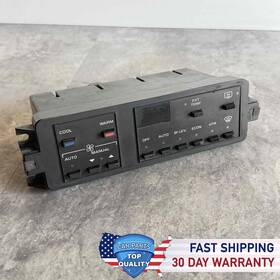
( Manufacturer Part Number: 16056491 ), ( Part Type: Control Heater )
Review CHEVROLET Heater Climate Control A/c Oem fits CORVETTE 1986–1989
The **Chevrolet 16056491 Heater, Climate Control, and Air Conditioning Assembly** for the **1986 1989 Corvette** is a meticulously engineered component designed to deliver unparalleled comfort and precision climate control within the iconic sports car s cabin. This high-performance unit integrates seamlessly into the Corvette s legendary V8-powered driving experience, ensuring that whether cruising along the coast or navigating winding mountain roads, passengers remain cool, warm, or perfectly temperate with minimal effort. Engineered with durability in mind, this assembly features a robust **compressor-driven air conditioning system**, complete with a **high-capacity condenser**, **receiver-drier**, and **expansion valve**, all optimized to maintain optimal refrigerant flow and cooling efficiency even under demanding conditions. The **heating system** is equally robust, utilizing a **core-type heater matrix** that efficiently transfers engine heat to the cabin via a **blower motor** with variable speed control, allowing drivers to fine-tune airflow distribution through the **defrost, face, and foot vents** for maximum comfort.
The **climate control mechanism** itself is a study in ergonomic design, featuring a **dual-zone temperature dial** and **fan speed adjustment**, enabling precise regulation of cabin temperature while minimizing driver distraction. The **air distribution system** includes **adjustable vent flaps** and a **manual climate control panel**, ensuring that airflow can be directed precisely to the driver, front passenger, or defroster as needed. Built to withstand the rigors of high-performance driving, this assembly incorporates **gaskets, seals, and mounting hardware** specifically engineered to resist vibration and thermal expansion, preventing leaks and ensuring long-term reliability. Whether restoring a classic Corvette to its original glory or upgrading an existing system, this **OEM-quality heater and climate control unit** delivers the performance and refinement expected from Chevrolet s legendary sports car, blending cutting-edge cooling technology with timeless craftsmanship.
### **Pros and Cons of Buying a 1986 1989 Chevrolet Corvette (C4) with Climate Control and A/C**
#### **Pros**
1. **Classic Performance and Driving Experience**
The C4 Corvette (1984 1996) is widely regarded as one of the most enjoyable American muscle cars of its era. The LT1 V8 (1984 1995) and later LT4 (1997 2004) engines produce strong power (230 350 horsepower, depending on modifications) with a deep, throaty exhaust note. The manual transmission (T56) is legendary for its smoothness and precision, while the automatic (4L60) is also well-built. The lightweight body, rear-wheel-drive layout, and balanced handling make it a driver s car, even by modern standards.
2. **Strong Aftermarket Support**
The C4 has a massive aftermarket, meaning parts (engines, transmissions, suspension, bodywork) are widely available and often affordable. Tuning options (e.g., Holley, Edelbrock, Borla exhausts) can significantly boost performance. Classic Corvette clubs and forums (like Corvette Forum, C4.net) provide extensive resources for maintenance, modifications, and restoration.
3. **Reliability (If Maintained Properly)**
With regular upkeep, a C4 can be a dependable daily driver or weekend toy. The LT1 engine is robust if kept on a maintenance schedule (oil changes, valve adjustments, timing belt replacement). The 4-speed automatic is durable, though the manual transmission requires occasional attention to synchros and clutch components. Modern electronics (ECU upgrades, fuel injection tuning) can improve reliability further.
4. **Timeless Design and Prestige**
The C4 s sleek, aerodynamic body (especially the 1984 1991 models) remains iconic. Owning a Corvette carries prestige, and the car holds strong collector value, particularly for low-mileage examples in good condition. The climate control and A/C (common in 1986 1989 models) add to comfort, making it more practical than earlier models.
5. **Potential for Restoration or Customization**
If the car is in rough shape, it can be a rewarding project. Many owners strip, rebuild, or modify their C4s, turning them into unique, high-performance machines. Restomod builds (e.g., modern suspension, fuel injection, or even a modern engine swap) are popular and can yield cars that rival modern sports cars in performance.
6. **Lower Operating Costs (Compared to Modern Sports Cars)**
While parts can be expensive, the cost of fuel, insurance, and maintenance is generally lower than that of a modern supercar. Gas mileage is poor ( 12 15 MPG), but the thrill of driving outweighs this for many enthusiasts.
---
#### **Cons**
1. **Aging Mechanical Components**
Many C4s suffer from common wear issues:- **Engine:** LT1 engines are prone to oil leaks (valve cover gasket, rear main seal), head gasket failure (especially in high-mileage examples), and camshaft wear. The 1986 1989 models may have weaker early LT1 variants with less refined fuel injection.
- **Transmission:** The 4-speed automatic (4L60) can develop slipping or rough shifting over time, while the manual (T56) may require clutch and synchro replacements.
- **Suspension:** Bushings, shocks, and control arms wear out, leading to a harsh ride or handling issues.
- **Electronics:** Early C4s had basic fuel injection systems that can fail or require tuning. The climate control system (if not well-maintained) may develop leaks or electrical gremlins.
2. **High Maintenance Costs**
While parts are available, labor costs can add up, especially for specialized work (e.g., engine rebuilds, suspension alignment). A full restoration or major overhaul can easily cost $10,000 $30,000 or more, depending on the car s condition.
3. **Fuel Economy and Practicality**
The C4 is not a practical daily driver. With a V8 engine, it guzzles gas (around 12 15 MPG), and the rear-wheel-drive layout makes it less stable in rain or snow compared to modern AWD cars. The interior is basic (especially in early models), with limited storage and comfort.
4. **Potential for Hidden Problems**
Buying a used C4 requires thorough inspection. Common issues include:- **Rust:** Frame rails, wheel wells, and undercarriage can corrode, especially in snowy or coastal climates.
- **Electrical Issues:** Wiring harnesses and relays can fail, leading to intermittent problems (e.g., A/C, lights, or sensors).
- **Body Fitment:** Some models (e.g., 1986 1988) have slight body panel mismatches or paint issues if not properly restored.
- **Timing Chain Stretch:** The LT1 s timing chain can stretch over time, leading to timing issues and potential engine damage if ignored.
5. **Depreciation and Market Saturation**
While Corvettes hold value, the market is saturated with examples at various price points. A well-maintained, low-mileage C4 with climate control and A/C can be expensive ($20,000 $50,000 ), while a project car may be cheaper but require significant investment. The resale value may not match the initial purchase price, especially for heavily modified or neglected examples.
6. **Driving Limitations**
Modern safety features (stability control, traction control, airbags) are absent, making the C4 less forgiving in extreme driving conditions. The lack of modern electronics (e.g., no Bluetooth, minimal infotainment) can be a drawback for tech-savvy buyers.
---
### **Ending Conclusion**
Buying a 1986 1989 Chevrolet Corvette with climate control and A/C can be an incredibly rewarding experience for an enthusiast who appreciates classic American muscle cars. The C4 offers a perfect blend of raw power, driving excitement, and timeless design, with a strong aftermarket to keep it relevant. However, it requires a commitment to maintenance, potential restoration work, and an understanding that it may not be a practical daily driver.
This car is ideal for:- **Enthusiasts** who prioritize driving fun and collectibility over modern convenience.
- **Owners willing to invest time and money** in upkeep or restoration.
- **Those who enjoy the classic Corvette community** and the sense of ownership that comes with a piece of automotive history.
On the other hand, it may not suit:- **Buyers seeking a low-maintenance, modern sports car** with advanced safety and tech features.
- **Those on a tight budget**, as hidden issues or restoration costs can add up quickly.
- **People who need a practical vehicle** for daily use, given its poor fuel economy and limited comfort.
---
### **Recommendation**
If you re considering a 1986 1989 Corvette, **prioritize a well-documented example with a clean service history**. Look for:- **Low mileage** (under 80,000 miles is ideal; 100,000 may require major work).
- **No signs of rust** (especially in critical areas like the frame and suspension).
- **A fully functional climate control system and A/C** (check for leaks or electrical issues).
- **A rebuilt or maintained engine** (preferably with a recent valve adjustment and timing belt replacement).
- **A smooth-driving transmission** (no slipping or rough shifting in the automatic, or a fresh clutch in the manual).
**Budget accordingly**: If you re buying a project car, allocate extra funds for repairs. If you want a ready-to-drive example, expect to pay a premium for one in excellent condition.
Ultimately, the C4 is a fantastic choice for those who love the thrill of driving a classic American sports car and are prepared for the challenges that come with it. For the right buyer, it s an investment in both passion and automotive heritage.
Details:
1986 - 1989 CHEVROLET CORVETTE Heater Climate Control A/C OEM. Condition is Used. Shipped with USPS Ground Advantage.
part #: 16056491 price
- $349.99
specifications chvyacheatercontrols:
- for models: Corvette
- for makes: Chevrolet
- for years: 1986-1989
- mpn: 16056491
- part type: Control Heater
payments chvyacheatercontrols:
- other
- credit card: Visa
- wallet: Apple-pay
- cash
general chvyacheatercontrols:
- condition: Used
- Car Truck Parts Accessories > Air Conditioning Heating > HVAC Controls Control Units
returns chvyacheatercontrols:
- time: 30 Days
- paid by: Buyer
- policy: Returns Accepted
seller chvyacheatercontrols:
- city: Glendale, California
- # reviews: 610
- rating: 98.9%
shipping chvyacheatercontrols:
- type: Calculated
- cost: $8.81
- service: USPS Ground Advantage, USPS Priority Mail
- transit: 4-9 Days
- class: Standard, Expedited
- carrier: USPS
offer chvyacheatercontrols:
- started: March 15, 2026
- availability: In Stock
- quantity: 1
- sold: 0
- options: Ship-to-home
- best offers: True
Chevrolet 16056491 Is Similar To:
- Switch Oem Chevy Control Chevrolet Ac 2000 Heater Prizm Climate 0115bc (40% similar) God bless America. For sale Chevy chevrolet prim ac heater climate control switch oem 0115BC it is in very good condition for the year...(January 15th, 2015)
- 01192005 P11 Chevrolet Used Oem Chevy Equinox Heater Climate Control Manual No (52.7% similar) Finish worn in areas. This item is for a only chevrolet equinox but may fit multiple vehicles. Part number: no heated seats. For sale is a used manual climate control. Check you part number before purchase. Please review pictures thoroughly you are getting the item pictured...(May 31st, 2018)
- 0144421 Gm Chevrolet Corsica Chevy Beretta Climate Control Heater Knobs Lot (49.7% similar) Free shipping. Chevrolet Corsica Chevy Beretta climate control A/C heater knobs, 3PC lot black with orange stripe good used condition...(March 26th, 2018)
- 025101346962 Tahoe 2006 Chevrolet Control (30.6% similar) ...(August 10th, 2014)
- 03-0404 Chevrolet Chevy Silverado Climate Temperture (41% similar) It is up to you view the pictures below compare this item one being replaced. I took good pictures of the item. Some items may have signs of wear and tear that are above normal. Used parts factory original oem temperature climate control panel this is controls will fit a Chevy Silverado. Please view...(February 22nd, 2017)
- 03441w9546m2j6p Autex For Gmc Sierra Chevrolet Silverado Heater Blower Motor (31.5% similar) Let's take a look at what your test results mean:case 1: the blower motor ran when you applied ground and battery power. Includes the motor and WHEEL4. If you're having issues with the blower motor not working its possible that control module is bad and needs to be tested. Connect a fused jumper ...(September 11th, 2018)
- 05 06 15112667 10390236 Gmc Oem Gm Chevy Chevrolet (15% similar) Please see pictures and be sure this fits your model. Parts are sold as is with no warranty. Items are checked and assumed usable unless noted elsewhere in listing. Item has some wear of plastic and light corrosion metal components but is in usable condition...(February 21st, 2017)
- Ac Control Cavalier Climate Oem 09350641 Heater Chevrolet 00-02 (30.1% similar) Posted with mobile. You are buying on a used ac heater control. Please look at pictures. Shipping shipping available only in the lower contiguous 48 us. It is unfortunate, but it is only fair...(December 10th, 2014)
- 09351305 Chevrolet Chevy Blazer Ac Heat Climate Control (54.4% similar) Condition: this is in good used condition with only some minor wear. This worked when I pulled it and will come with a 30 day warranty. Part: climate control part: fitment: many not all Chevy blazer model's. This may fit other years model's as well...(November 24th, 2018)
- 09351335 Chevrolet Chevy Sonoma Ac Heat Climate Control Switch Oem (57.4% similar) Has scratches, scuffs, and marks. This is an ac heat climate control switch from a 1998 Chevy S-10. Part is as shown. This is a used part...(November 24th, 2018)
- 09352675 Heater Blazer Control Chevrolet Gmc Gm (23.9% similar) Used working heater control came out of 1997 Chevy blazer may fit others check part number...(August 25th, 2014)